Building of the Year 2025 Shortlist: J R Clynes Building
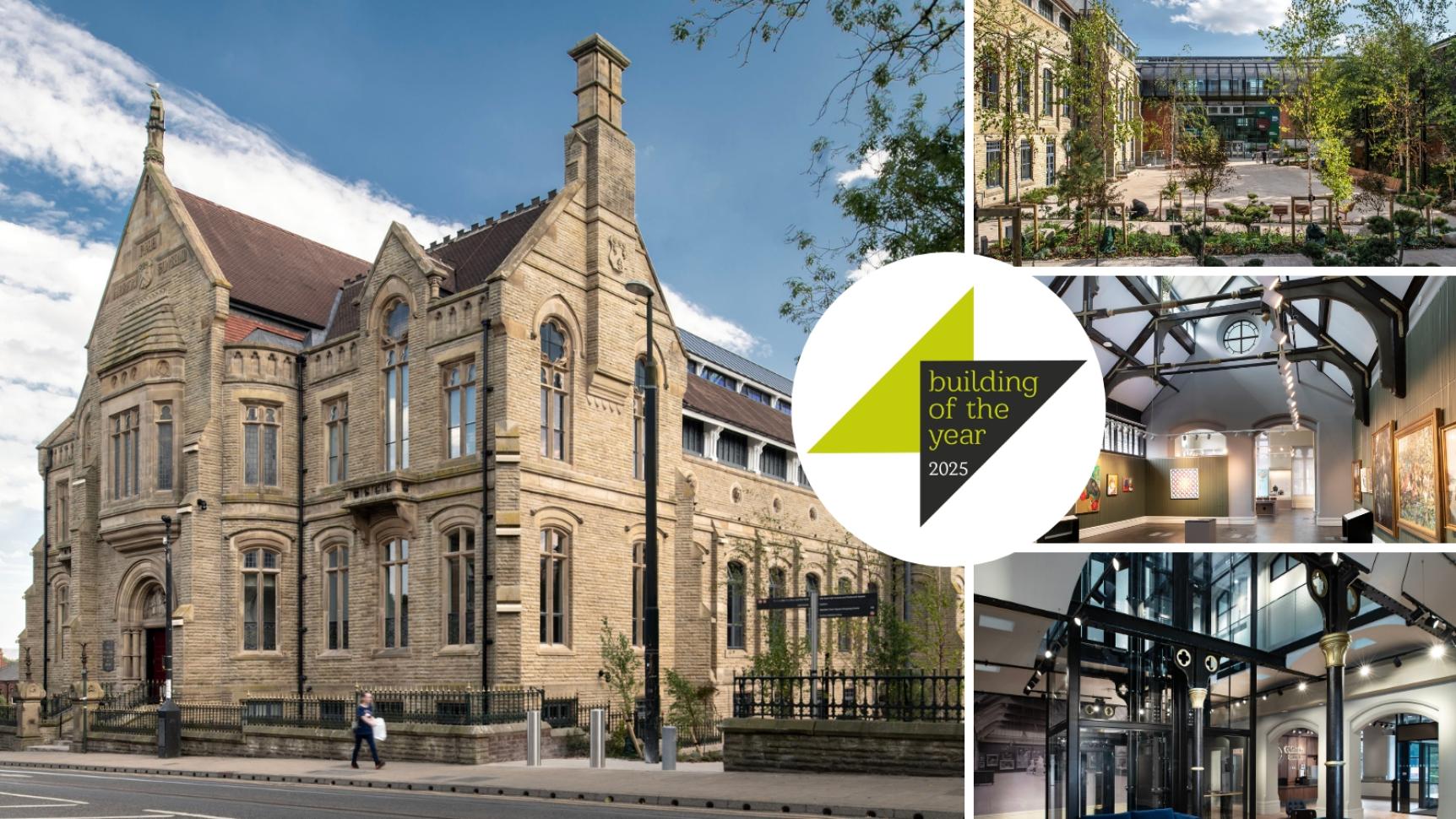
This project is being suggested as it exemplifies a high-quality heritage refurbishment that delivers significant civic, community and economic benefits alongside excellent standards of design and construction.
The Grade II listed Old Library, opened in 1883 and extended in 1894, is a landmark of Oldham’s civic and cultural identity. Following closure in 2017, the building fell into serious disrepair, with widespread water ingress and structural risk.
Restoring the asset became central to the long held ambition to create a cultural quarter and revitalise the town centre. Works were delayed by the pandemic, during which time its condition worsened, raising concerns about potential loss.
Once work resumed, the team stabilised the structure and completed the full refurbishment, safeguarding the building for future civic and community use.
Design quality - Ellis Williams Architects’ design restores the building’s historic fabric in full compliance with its Grade II status while creating functional civic and community spaces for contemporary use. Feedback from the local community has highlighted broad appreciation for the quality of the conservation work, including the careful restoration of stonework, glazing and original architectural features.
Construction techniques - The project employed traditional craft techniques, including lime plastering and stone masonry, delivered by specialist contractors supported by apprentices. Modern, energy efficient systems were integrated to improve performance and reduce long-term maintenance. Many residents welcomed the sensitive balance between preserving the building’s heritage and introducing modern, accessible facilities.
Sustainability credentials - By repurposing an existing heritage building rather than constructing new, the project exemplifies low-carbon principles and aligns with Oldham Council’s Green New Deal commitments.
Function and use - The refurbishment restores the building as a civic and community hub, providing democratic, cultural and flexible spaces alongside purpose built facilities for Oldham Theatre Workshop, supporting around 500 young people each year.
Economic benefits - The project brings a prominent heritage asset back into productive use, creating new civic and cultural infrastructure that supports town centre regeneration, drives footfall and creates opportunities for economic and community activity.
Community benefits - Restoring this much-loved landmark reconnects residents with an important part of Oldham’s identity. Its inclusive public spaces, galleries and youth theatre facilities foster community engagement, support young people and help rebuild local pride and place-making.
Value for money - The project team worked hard to deliver the project within the available budget. For example, Tilbury Douglas’ in-house temporary works team delivered an eight-week programme saving and avoided an estimated £400k cost for a Haki tent.
Innovation and special features - This project showcases the integration of modern building systems within a Grade II listed envelope, ensuring contemporary performance without compromising heritage value. It also demonstrates the advantages of early contractor involvement, enabling safe and efficient delivery within a deteriorating structure.
Digital survey techniques supported both design development and conservation decisions, while extensive engagement with the community and key stakeholders helped shape the building’s final uses and ensure long-term relevance.
Join us for the Property and Construction Dinner on 5th March 2026 where we will be announcing the winner!